The Ultimate Guide to Eavestrough Installation and Repair in Scarborough
February 27, 2024Eavestrough Replacement, Repair, and Leaf Guards: Everything You Need to Know

Eavestrough Replacement, Repair, and Leaf Guards: Everything You Need to Know
Eavestroughs (also known as gutters) are an essential part of every home’s exterior, working tirelessly to protect your home from water damage by directing rainwater away from your foundation. However, over time, eavestroughs can become worn, clogged, or damaged, requiring either repair or replacement. Additionally, the installation of leaf guards can further enhance the effectiveness of your eavestroughs and prevent clogging.
In this comprehensive guide, we will cover everything you need to know about eavestrough replacement, repair, and the benefits of installing leaf guards. Understanding the importance of these systems can help you make informed decisions to keep your home safe from water damage.
The Importance of Eavestroughs for Your Home
Eavestroughs are designed to collect rainwater from your roof and channel it away from your home’s foundation. Without properly functioning eavestroughs, rainwater can pool around your foundation, leading to erosion, basement flooding, mold growth, and even structural damage.
Eavestroughs also protect your siding, windows, and doors from water damage by preventing rainwater from cascading down the exterior of your home. Therefore, maintaining your eavestroughs in good working condition is essential for the long-term health of your home.
When to Replace Your Eavestroughs
Knowing when to replace your eavestroughs is crucial to avoid potential water damage to your home. Here are some key signs that your eavestroughs may need to be replaced:
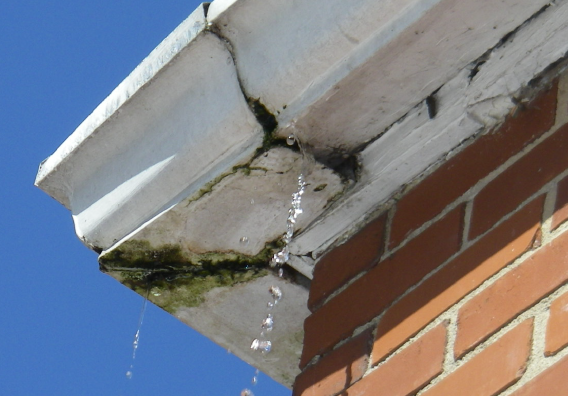
- Visible Damage: Cracks, holes, or rust spots in your eavestroughs are clear indications that they need to be replaced. Small cracks may seem minor, but they can lead to significant leaks and water damage over time.
- Sagging or Pulling Away from the House: If your eavestroughs are sagging or pulling away from your home, it’s a sign that the system is not functioning properly. This could be due to improper installation, excess weight from debris, or damaged mounting hardware.
- Water Pooling Around Your Foundation: One of the primary functions of eavestroughs is to direct water away from your home’s foundation. If you notice water pooling around the foundation or areas of erosion, it may be due to damaged or inefficient eavestroughs.
- Frequent Clogs: If you are constantly cleaning out debris from your eavestroughs, it might be time to consider upgrading to a system with leaf guards.
- Water Stains on Your Siding: Water stains on the exterior walls of your home are a sign that your eavestroughs are not properly directing water away from the house.
Eavestrough Repair: Is It an Option?
In some cases, repairing your eavestroughs may be a viable option, especially if the damage is minor or localized. Here are a few situations where eavestrough repair may be enough to restore the system’s functionality:
- Minor Leaks: Small leaks can often be repaired using sealant or caulking. This is a quick and inexpensive fix that can prevent further damage.
- Loose or Missing Fasteners: If the fasteners that hold your eavestroughs in place are loose or missing, they can be easily replaced without needing new eavestroughs.
- Dented or Bent Sections: If a section of your eavestrough has been dented or bent, it may be possible to repair or replace just that section rather than the entire system.
Leaf Guards: A Worthwhile Investment
One of the most common issues homeowners face with eavestroughs is clogging from leaves, twigs, and other debris. Clogged eavestroughs can prevent water from flowing properly, leading to overflow, leaks, and even water damage. Installing leaf guards can help prevent these issues and keep your eavestroughs functioning efficiently.
What Are Leaf Guards?
Leaf guards are protective covers installed over your eavestroughs that prevent debris from entering while still allowing water to flow through. There are several types of leaf guards, including mesh screens, solid covers, and brush-style guards. Each type has its own advantages, but they all serve the same purpose: to keep your eavestroughs free from debris.
Benefits of Installing Leaf Guards
- Prevents Clogs: Leaf guards prevent clogs from forming in your eavestroughs, allowing water to flow freely through the system.
- Reduces Maintenance: Leaf guards significantly reduce the need for regular cleaning, saving you time and effort.
- Extends the Lifespan of Your Eavestroughs: By preventing debris buildup, leaf guards extend the lifespan of your eavestrough system.
- Prevents Pest Infestations: Eavestroughs filled with debris can become a breeding ground for pests. Leaf guards help prevent these infestations.
- Improves Water Flow: Leaf guards ensure water flows freely, preventing overflow and ensuring proper drainage.
Choosing the Right Eavestrough System and Leaf Guards
When it comes to selecting new eavestroughs and leaf guards for your home, consider these factors:
- Material: Eavestroughs come in various materials like aluminum, vinyl, and steel. Aluminum is popular for its durability and rust resistance.
- Size and Style: Eavestroughs are available in 5-inch and 6-inch sizes, with K-style and half-round being common styles.
- Professional Installation: It's best to hire a professional to ensure proper installation for optimal performance and longevity.
Conclusion
Eavestrough replacement, repair, and the installation of leaf guards are critical aspects of maintaining the health of your home. If you're experiencing issues with your eavestroughs or want to upgrade to a system with leaf guards, contact the experts at https://eavestroughscarborough.com for professional services.